24 Lifeguards Trained and Certified Through Collaborative Water Safety Programme
Water safety is a shared responsibility, and having well-trained and competent lifeguards is essential in preventing drowning and creating safer aquatic environments. In a significant step towards strengthening water safety in Kenya, Swim Safe Kenya (SSK) recently collaborated with the Kenyatta University Physical Education Department to conduct a comprehensive lifeguard training programme this August.
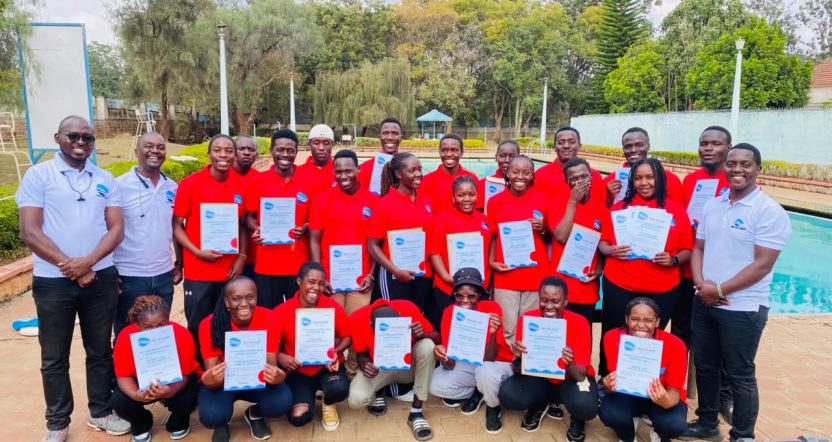
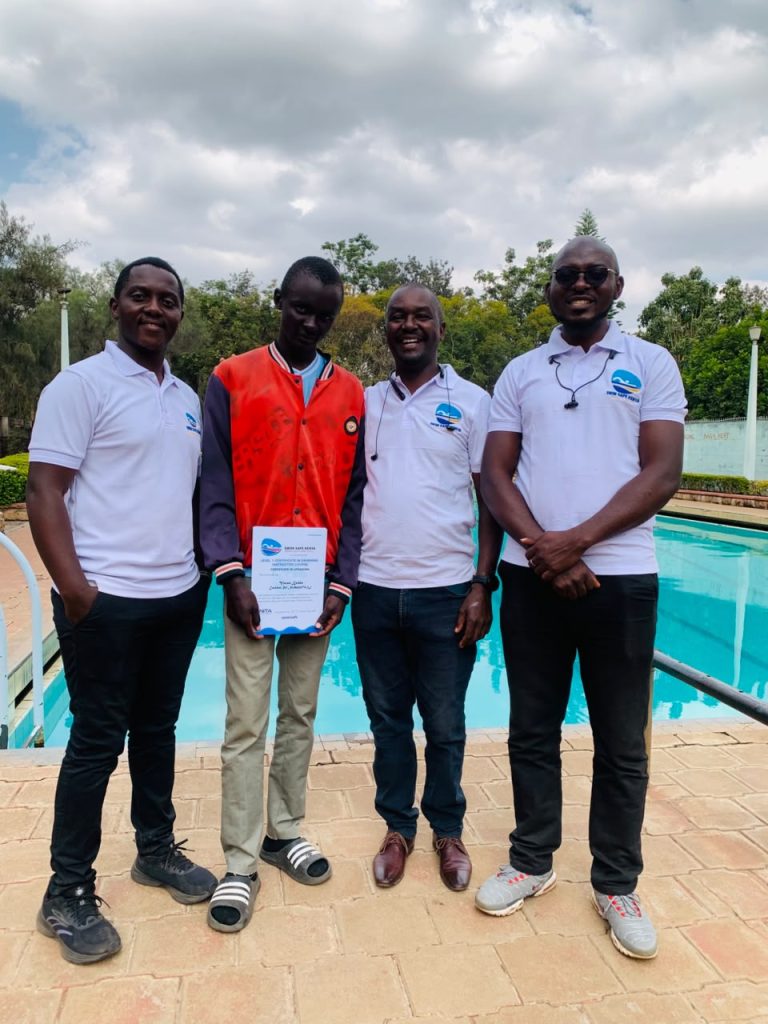
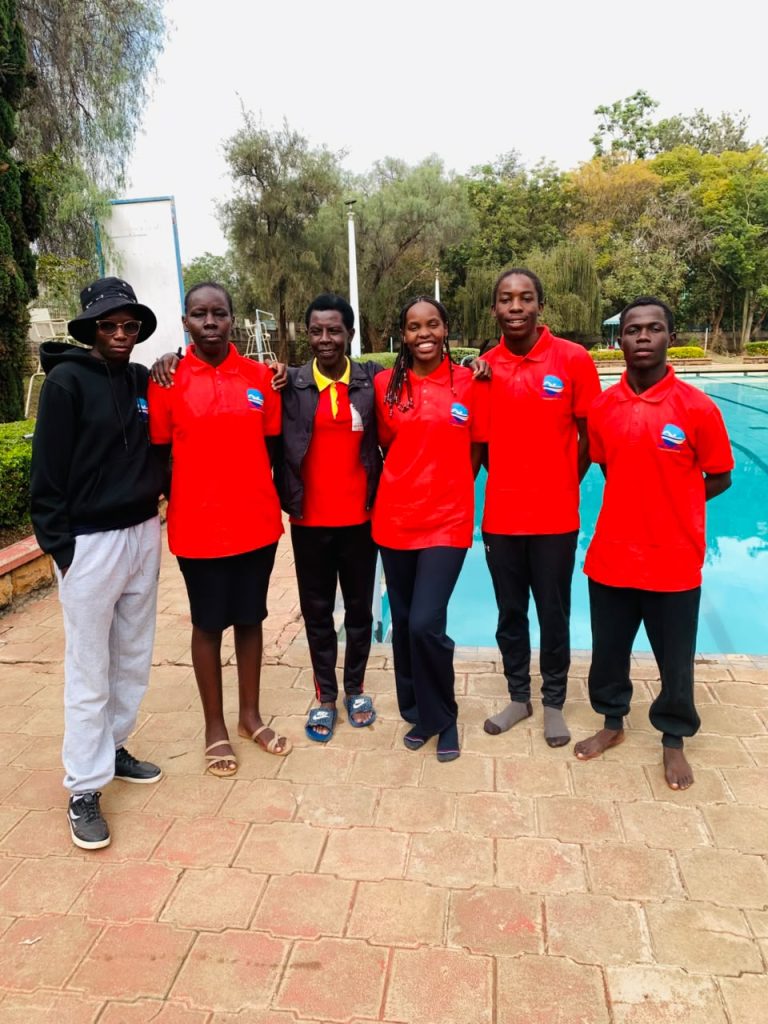
The collaborative programme successfully trained and certified 24 lifeguards, equipping them with practical knowledge and essential skills needed to manage aquatic environments, respond to emergencies, and promote safety around swimming pools and other water facilities.
Comprehensive Lifeguard Training
The training focused on key areas of aquatic safety and professional lifeguarding. Participants were taken through several important units, including:
- Aquatic First Aid – Equipping lifeguards with the knowledge and practical skills to respond to injuries and medical emergencies in aquatic environments.
- Swimming Pool Maintenance – Understanding proper pool care, hygiene, equipment checks, and the importance of maintaining safe swimming facilities.
- National Pool Lifeguard Training – Developing the rescue, surveillance, emergency response, and water safety skills required of professional pool lifeguards.
- Lifeguard Instructorship – Preparing participants with the knowledge and skills to train, guide, and support other individuals in aquatic safety and swimming programmes.
The practical and theoretical approach to the programme ensured that participants gained more than classroom knowledge. They were equipped with skills that can be applied directly in swimming pools and other aquatic environments.
Experienced Professionals Leading the Programme
The programme brought together experienced professionals from both Swim Safe Kenya and Kenyatta University.
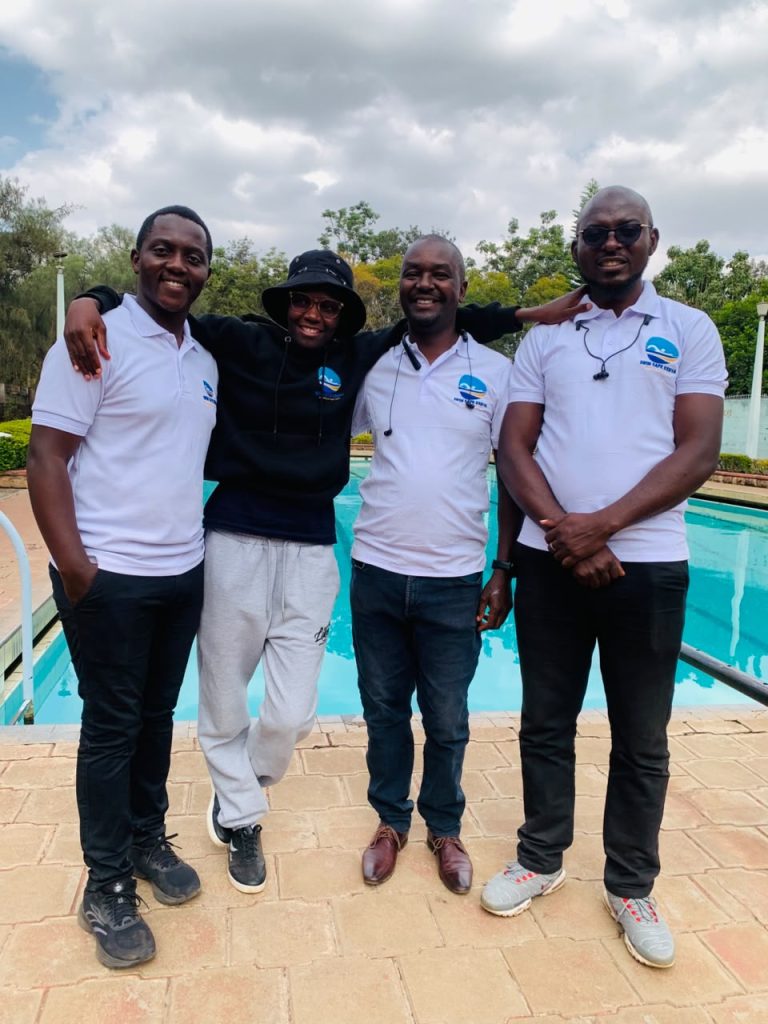
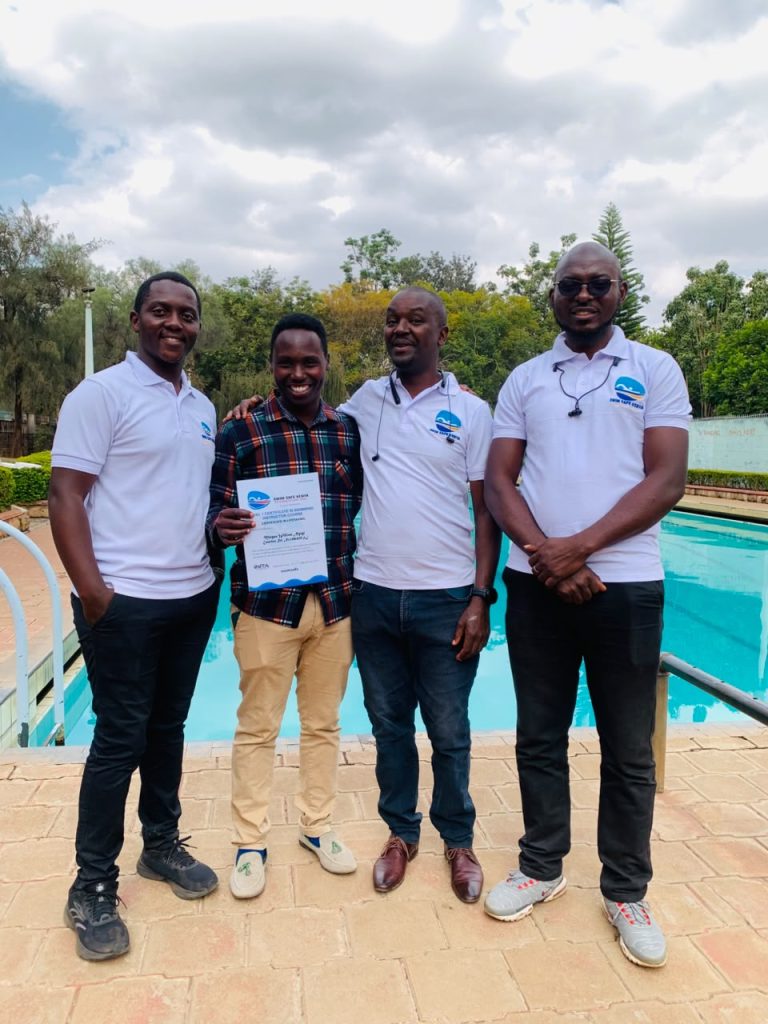
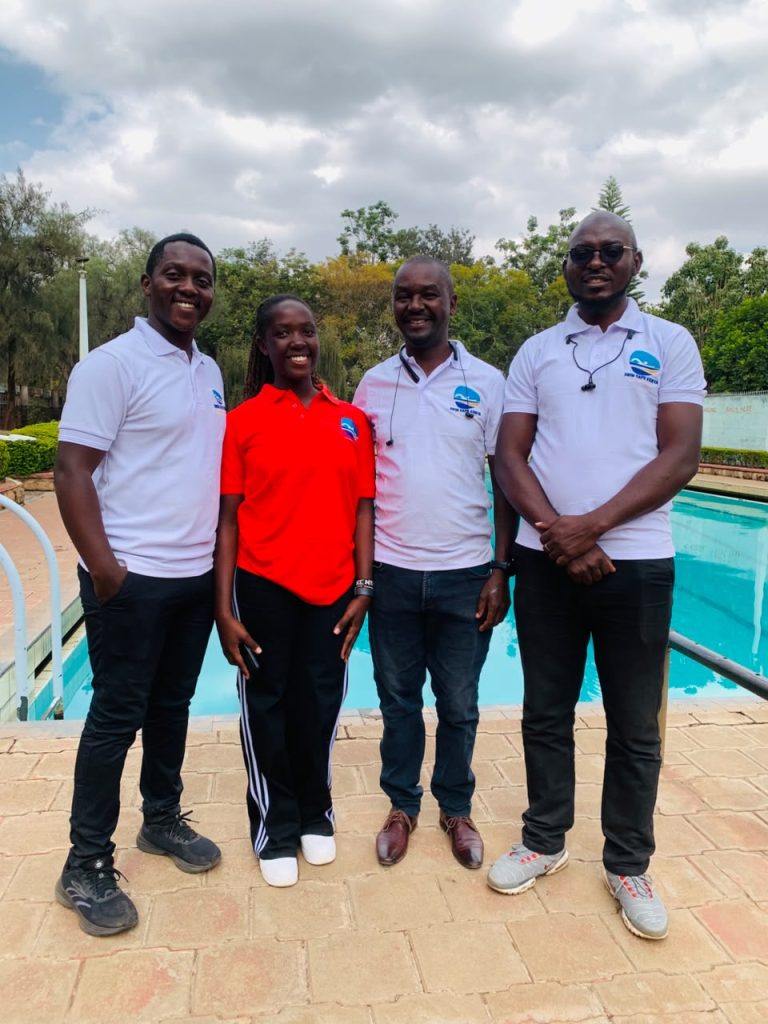
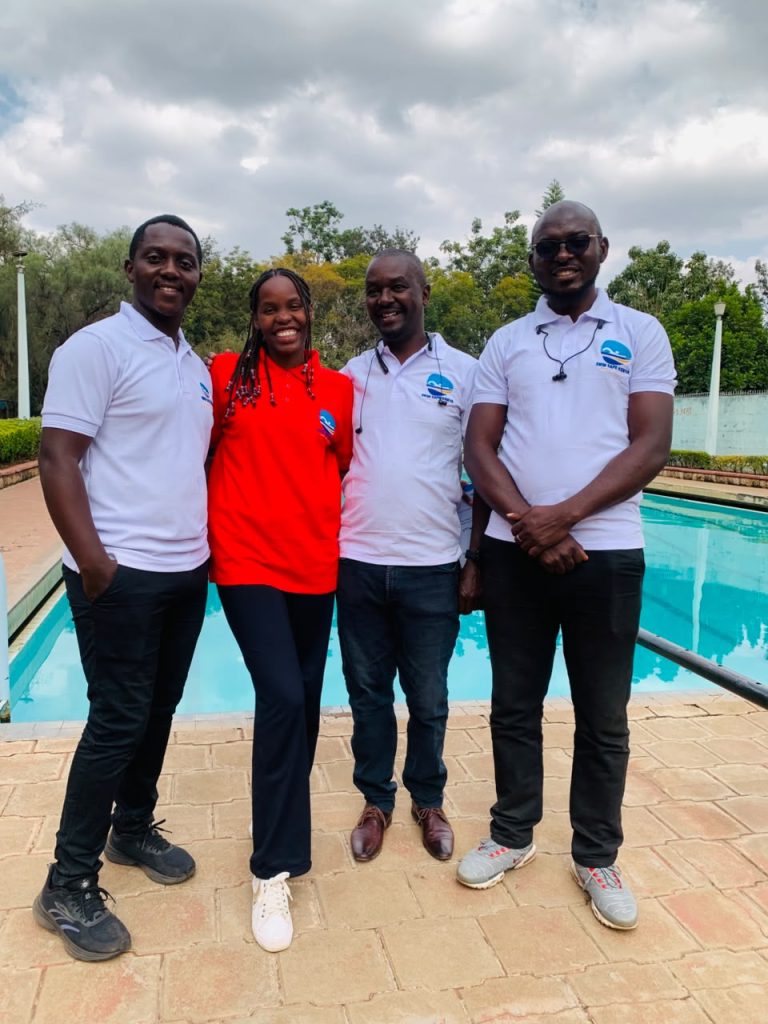
The training was led by Dr. Douglas Okatso, Martin Maina, and Victor King’ori, representing Swim Safe Kenya, alongside Dr. Mary Mwihaki from the Physical Education Department at Kenyatta University.
Their combined expertise provided participants with valuable insights into lifeguarding, aquatic first aid, swimming pool management, rescue techniques, and water safety education.
Building a Stronger Water Safety Culture
Training and certifying lifeguards is an important part of the wider effort to address drowning and promote responsible behaviour around water in Kenya. A well-trained lifeguard can identify potential risks, respond quickly to emergencies, provide appropriate first aid, and help create a safer environment for swimmers.
Through initiatives such as this, Swim Safe Kenya continues to advocate for water safety by investing in skills, education, and professional training. Partnerships with institutions such as Kenyatta University also demonstrate the importance of collaboration in developing sustainable water safety programmes.
The successful certification of 24 lifeguards represents more than a training milestone. It is an investment in individuals who can help protect lives, strengthen aquatic facilities, and share essential water safety knowledge within their communities.
The Journey Continues
As Kenya continues to promote swimming, aquatic sports, and access to swimming facilities, the demand for properly trained and certified lifeguards remains essential.
Swim Safe Kenya remains committed to providing quality lifeguard training, swimming education, aquatic first aid, survival swimming, and drowning prevention programmes that contribute to safer communities.
Every trained lifeguard represents another trained professional ready to respond when it matters most.
Together, through education, collaboration and action, we can build a safer swimming culture and help prevent drowning in Kenya.
📧 Email: info@swimsafekenya.org
🌐 Website: www.swimsafekenya.org